Bangladesh–Pakistan Defence Engagement: Pragmatism Over Symbolism in a Changing South Asia

Dr. Aamna Khan
Security Analyst
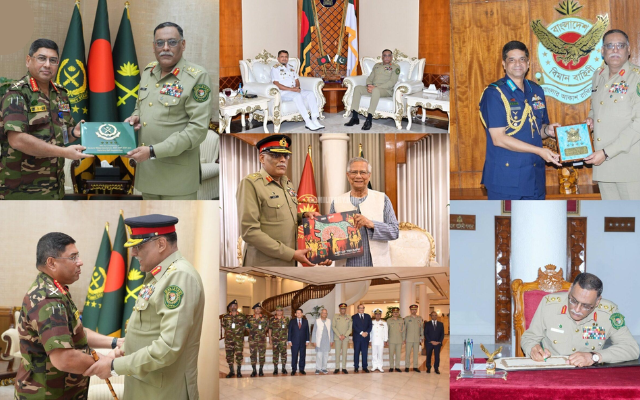
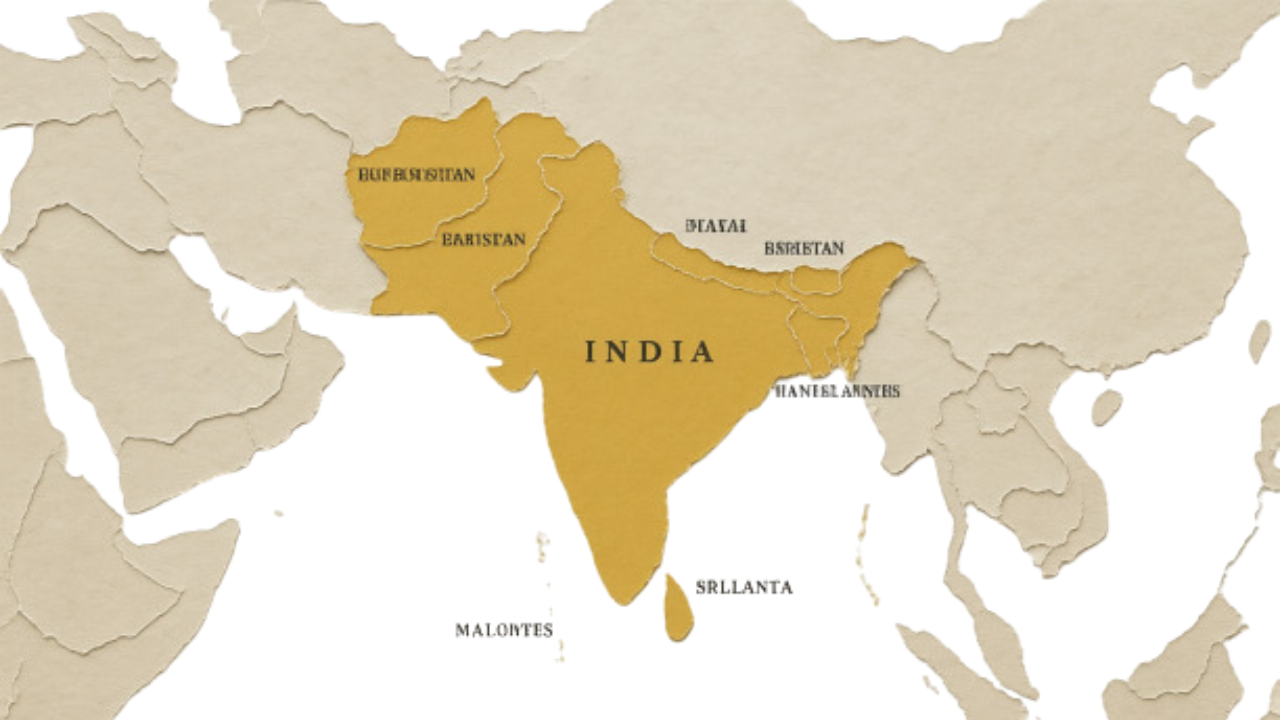
South Asia is approaching a phase of gradual but significant diplomatic transition. Long defined by inflexible alliances, historical grievances, and zero-sum thinking, the region is today experiencing more fluid and pragmatic foreign policy decisions, particularly among middle powers seeking strategic autonomy. Bangladesh's expanding engagement with Pakistan, which includes discussions about defense cooperation and potential interest in technologies like the JF-17 fighter aircraft, has drawn a lot of attention in this turbulent environment. Therefore, much of this discussion has been framed through the lens of regional rivalry, particularly with India. However, these theories entail oversimplifying a far more intricate reality.
Bangladesh's outreach shouldn't be interpreted as a significant geopolitical shift instead, it is a result of a combination of pragmatic defense needs, domestic political shifts, and Dhaka's larger attempt to broaden its foreign alliances. In a similar vein, Pakistan considers this engagement less as a diplomatic victory and more as a chance to reestablish trust via productive collaboration free from the burden of the past.
Bangladesh's shifting domestic political landscape is at the center of its recalibration. Dhaka's foreign policy decision-making has been more flexible since the political shift that occurred in 2024. Bangladesh's external ties, especially around security, were closely aligned with India under past administrations. Although there were significant economic and connectivity advantages to this alignment, Bangladesh's options were also constrained, particularly when it came to defense cooperation with nations that New Delhi disapproved of. The present situation isn't considered a rejection of India's significance, which is nonetheless crucial to Bangladesh's geography, economy, and security considerations. Rather, it implies a desire to act more independently and to avoid appearing overly dependent on any one partner.
This pursuit of equilibrium is neither out of the ordinary nor unstable. To protect themselves from uncertainty, several nations in the Global South, such as those in Southeast Asia and the Middle East, have diversified their defense and diplomatic portfolios in recent years. For Bangladesh, engaging Pakistan fits within this broader pattern. It preserves ties with other important allies while enabling Dhaka to show autonomy in decision-making.
Bangladesh's desire in defense cooperation has substantial justifications that go beyond politics. The problem for the Bangladesh Air Force is to update a fleet that is outdated while staying below financial limits. Maintaining competent aviation power is becoming essential as Bangladesh's economy and regional obligations grows. Yet, acquiring premium Western platforms frequently entails exorbitant prices, protracted delivery schedules, and political requirements. Concerns regarding supply-chain vulnerability and sanctions risk have been highlighted by reliance on conventional suppliers.
In this scenario, the JF-17 appears as an ideal choice rather than as a sign of alignment with Pakistan. It is an affordable, multirole aircraft made for air forces with tight resources and changing operational requirements. The non-hardware components that come with these systems are just as significant. To maintain operational readiness, Pakistan's offer usually consists of long-term collaboration, maintenance assistance, and pilot training. These factors are perhaps more important to Bangladesh than the aircraft's geopolitical symbolism.
It's also significant to address the prevalent notion that Pakistan's recent military prominence and assertions of combat-tested capabilities have affected Bangladesh's interest. Although Pakistan has aggressively promoted its defense sector in the wake of recent regional unrest, there is no indication that Bangladesh's calculations are motivated by respect for Pakistan's military posture or a desire to express hostility toward India. Performance narratives may boost Dhaka's confidence, but cost, sustainability, and strategic adaptability still take precedence. It is risky to project foreign rivalry onto a decision that is essentially pragmatic if Bangladesh's outreach is presented as a reaction to South Asian military dynamics.
However, the India element cannot be disregarded and needs to be carefully considered analytically. With strong economic links, common borders, and a wide range of interpersonal relationships, India continues to be Bangladesh's most powerful neighbor. Stable relations with New Delhi would remain a top priority for any Bangladeshi government. However, diversification is not the same as distancing. Participating in limited defense cooperation with Pakistan does not automatically cause animosity in the region or damage Bangladesh-India relations. In fact, it could be argued that Bangladesh is less likely to feel limited or reactive in its interactions with any one power if it is self-assured enough to pursue several partnerships.
From Pakistan's perspective, this is both a challenge and an opportunity. Exporting domestic platforms and positioning itself as a trustworthy security partner for developing nations have become increasingly more important aspects of Islamabad's defense diplomacy. Success in this domain depends not only on technical performance but also on restraint and professionalism. Overplaying the narrative of regional rivalry or framing defence cooperation as a strategic win against India would be counterproductive. Instead, Pakistan’s engagement with Bangladesh should emphasis transparency, mutual benefit, and respect for Dhaka’s broader diplomatic commitments.
It is also important to recognize the symbolic dimension. The complicated past of Bangladesh and Pakistan continues to shape both countries' public perceptions. These historical problems cannot be resolved by defense cooperation alone, but functional involvement can eventually aid in the normalization of relations. Grand gestures are rarely used to establish trust; instead, consistent, covert collaboration in areas of shared interest is more likely to do so. Without inciting regional fears, views can be gradually changed through institutional debate, training exchanges, and cooperative technical programs.
Future implications of Bangladesh-Pakistan defense cooperation go beyond the purchase of aircraft. If handled properly, it might create opportunities for collaboration in less politically delicate and regionally stabilizing fields including marine security, disaster response, and peacekeeping training. On the other hand, if it is presented carelessly, it could be included into the well-known story of South Asian rivalry, which would undermine its own justification. In the end, rather than representing an ideological shift, Bangladesh's outreach to Pakistan should be interpreted as a manifestation of geopolitical pragmatism. It shows how a middle power navigates a complicated regional context by looking for alternatives rather than coalitions and flexibility instead of reliance. Responding with same pragmatism and avoiding the temptation to see every diplomatic opportunity through the lens of rivalry is Pakistan's challenge.
This incident serves as a reminder that peaceful, interest-based collaboration is still viable in South Asian politics, a region that is all too frequently characterized by symbols and mistrust. The defense interaction between Bangladesh and Pakistan may serve as an example of how long-standing rivals can move cautiously but productively toward a more normalized relationship if both parties continue to prioritize content over signaling.