Why the Afghanistan-Pakistan Border Now Ranks as the Region's Most Dangerous Flashpoint

Our desk
Desk
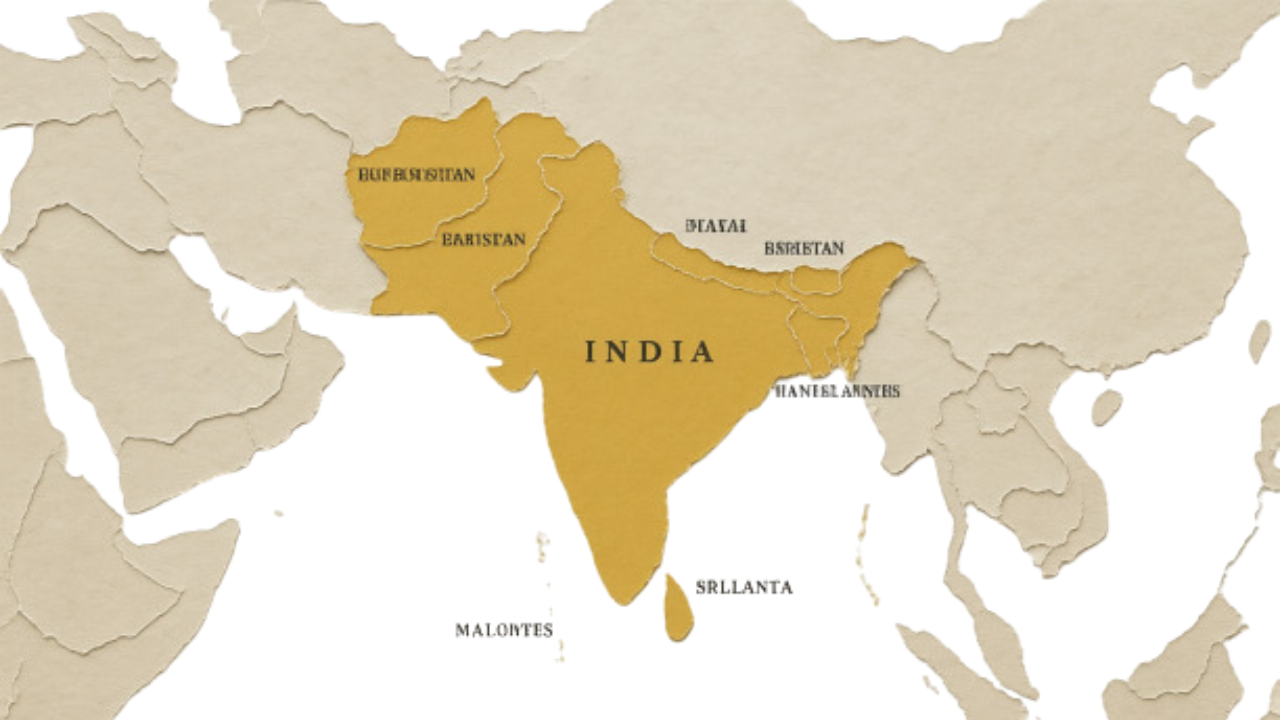
In a provocative analysis published in Foreign Affairs on January 29, 2026, titled "Afghanistan and Pakistan Square Off: The Unexpected Conflict Brewing in South Asia", renowned South Asia expert Michael Kugelman delivers a stark warning: the most worrisome flashpoint in South Asia today is not the long-standing nuclear-armed rivalry between India and Pakistan, but rather the volatile border between Afghanistan and Pakistan.
Kugelman argues that global attention remains fixated on the India-Pakistan Line of Control (LoC), yet the real and immediate danger has shifted westward along the porous Durand Line. This border has become a tinderbox due to a toxic combination of factors:
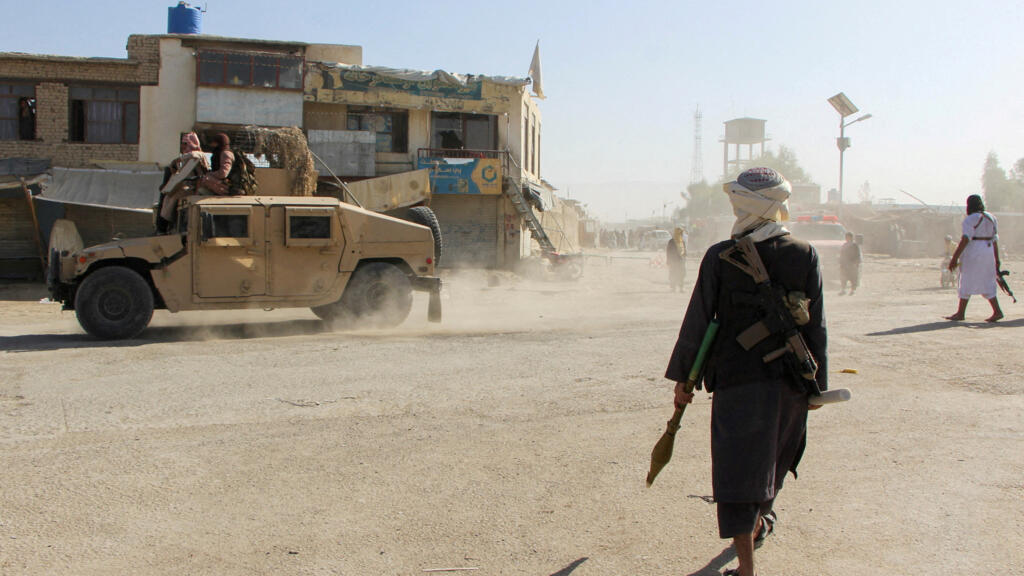
Cross-border militancy — Pakistan accuses the Taliban regime in Kabul of providing safe haven to the Tehreek-e-Taliban Pakistan (TTP), whose attacks inside Pakistan have surged dramatically since the Taliban's 2021 return to power. These militants frequently launch operations from Afghan territory, targeting Pakistani security forces near the border.
Deep political distrust — Historical grievances, including Pakistan's past support for the Taliban and Afghanistan's longstanding rejection of the Durand Line as an international boundary, fuel mutual suspicion. Recent rhetoric has grown inflammatory, with Taliban spokespeople accusing Pakistan of external interference and Pakistani officials labeling the Afghan Taliban as the "father" of regional terrorist groups.
Post-U.S. withdrawal power vacuum— The 2021 American exit from Afghanistan left a security void that armed non-state actors have exploited. Without international oversight or robust governance in border areas, militant groups have flourished, raising the specter of direct state-to-state confrontation between two neighbors already engaged in tit-for-tat military actions, airstrikes, and artillery exchanges.
Kugelman emphasizes that this brewing conflict is "unexpected" in its intensity but highly plausible. Earlier skirmishes focused mainly on TTP targets, but recent escalations show Pakistan broadening strikes to Taliban regime-linked sites, while the Taliban vow sustained operations against Pakistani forces. Mediation efforts by Qatar, Turkey, and Saudi Arabia have produced only short-lived cease-fires, failing to address core issues.
The stakes are enormous. An all-out clash could:
- Cause bloody fighting and mass displacement along the border.
- Destabilize the broader region, potentially spilling over into Central Asia or reigniting India-Pakistan tensions.
- Boost transnational terrorism, including risks to U.S. and Western interests.
- Exacerbate humanitarian crises in already fragile Afghanistan and Pakistan.
Kugelman concludes with a blunt message: the world cannot afford to look away from this simmering rivalry. Greater strife between Afghanistan and Pakistan remains a distinct possibility—one with damaging consequences not just for the two countries, but for South Asian security and global stability. As recent airstrikes and reprisals demonstrate, the Afghanistan-Pakistan border has quietly emerged as the region's true crisis point, demanding urgent diplomatic attention before it erupts fully.