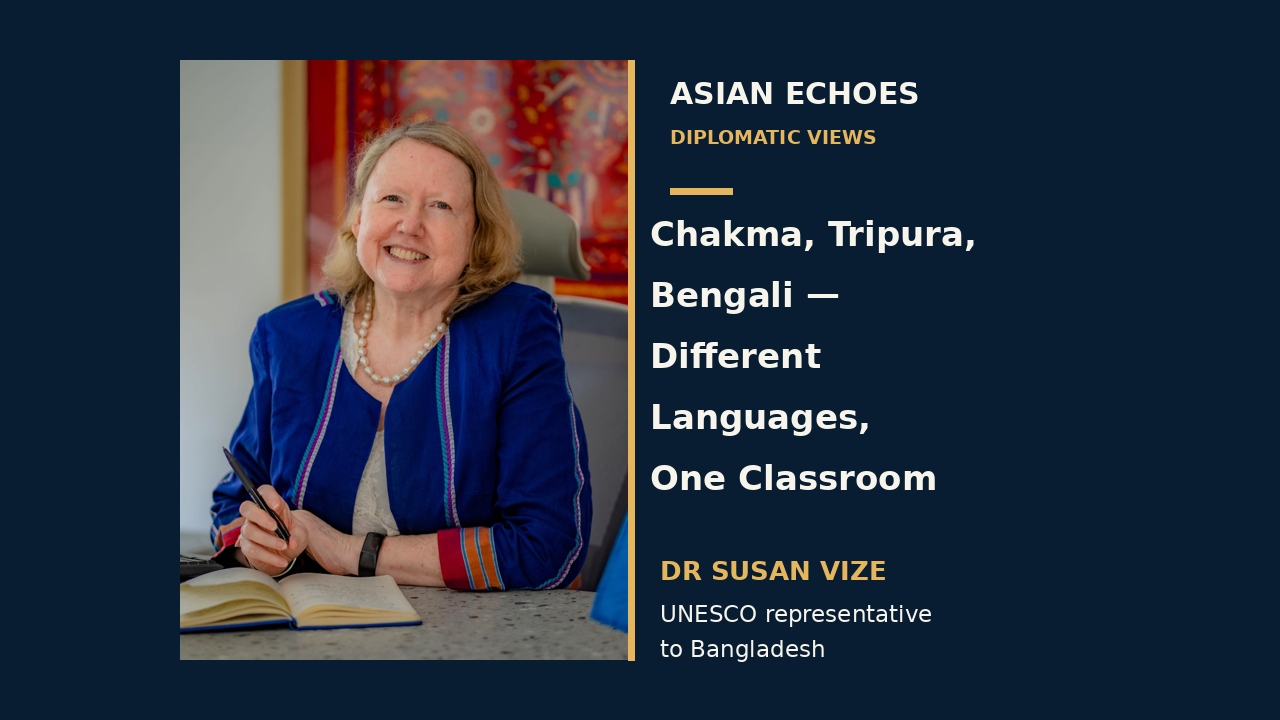
Chakma, Tripura, Bengali — Different Languages, One Classroom
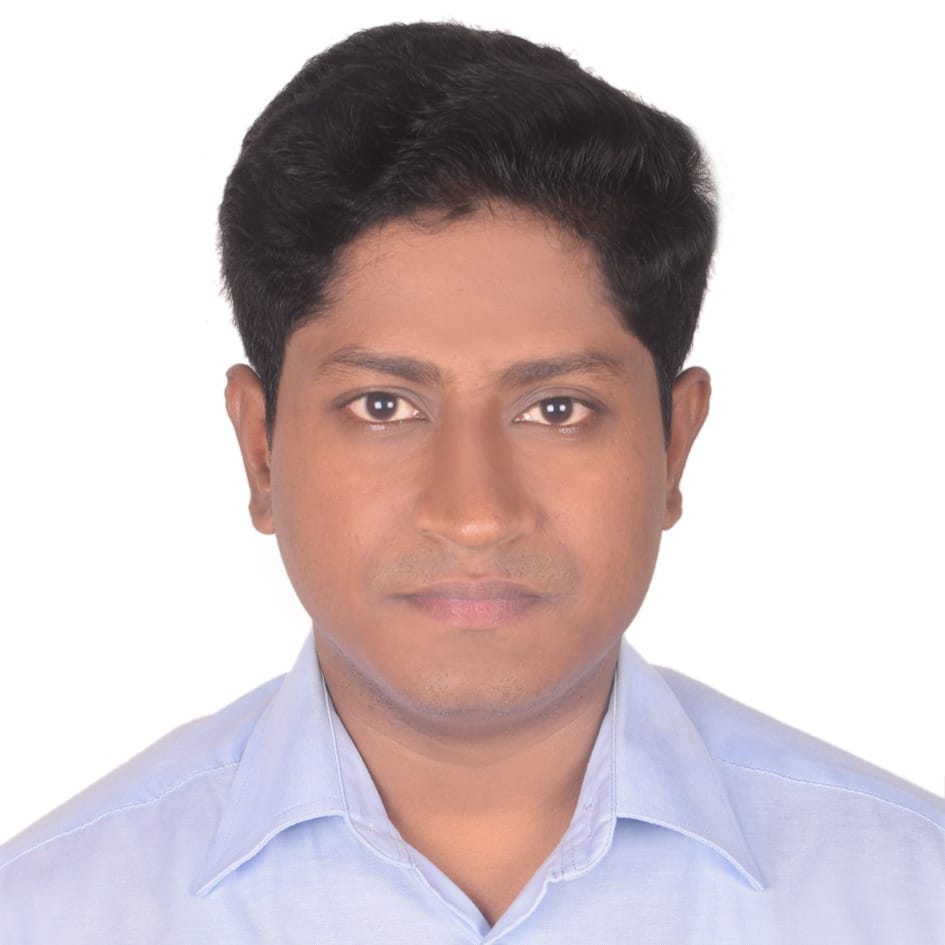
Abu Sufian
Diplomatic Editor
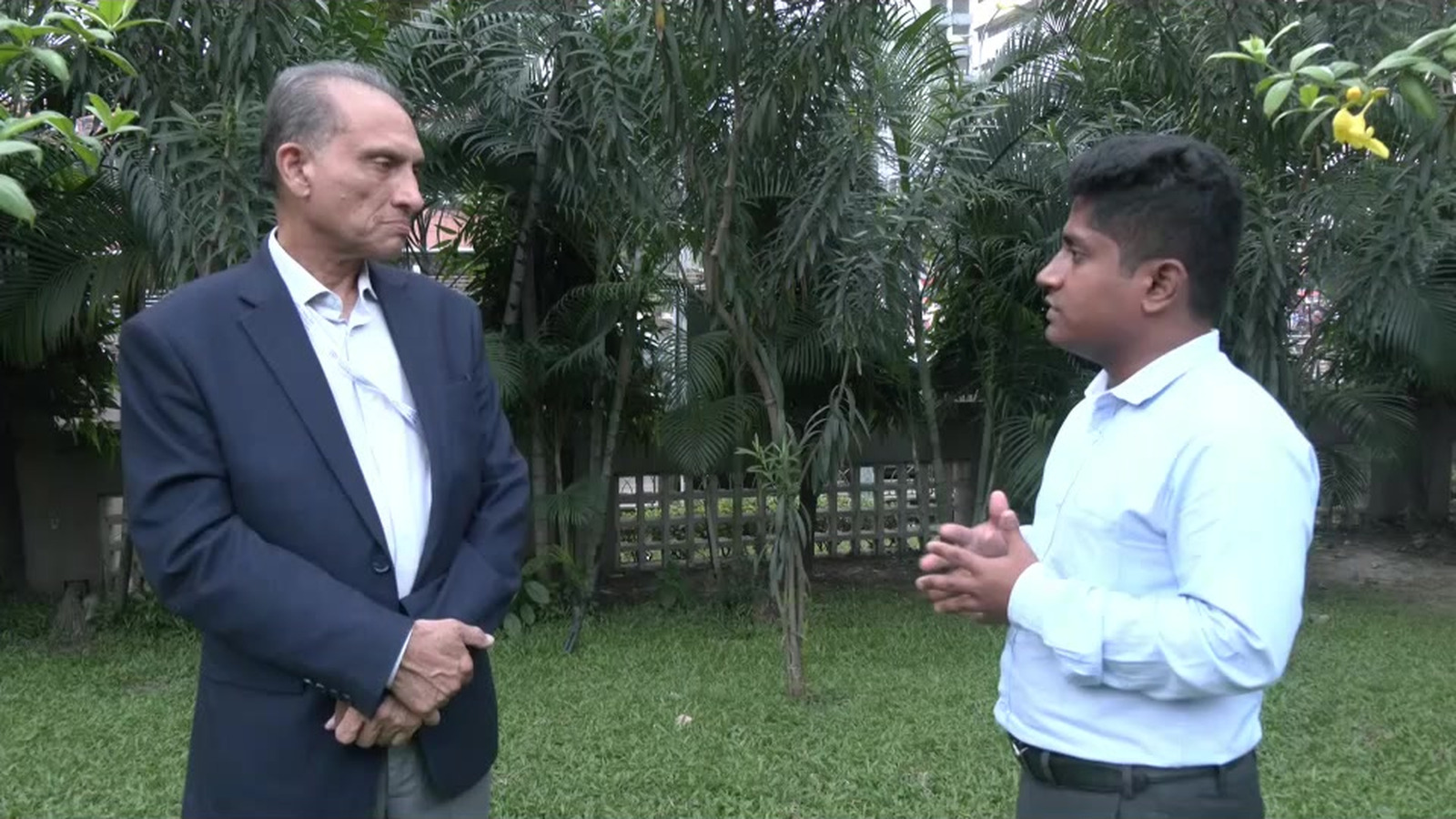
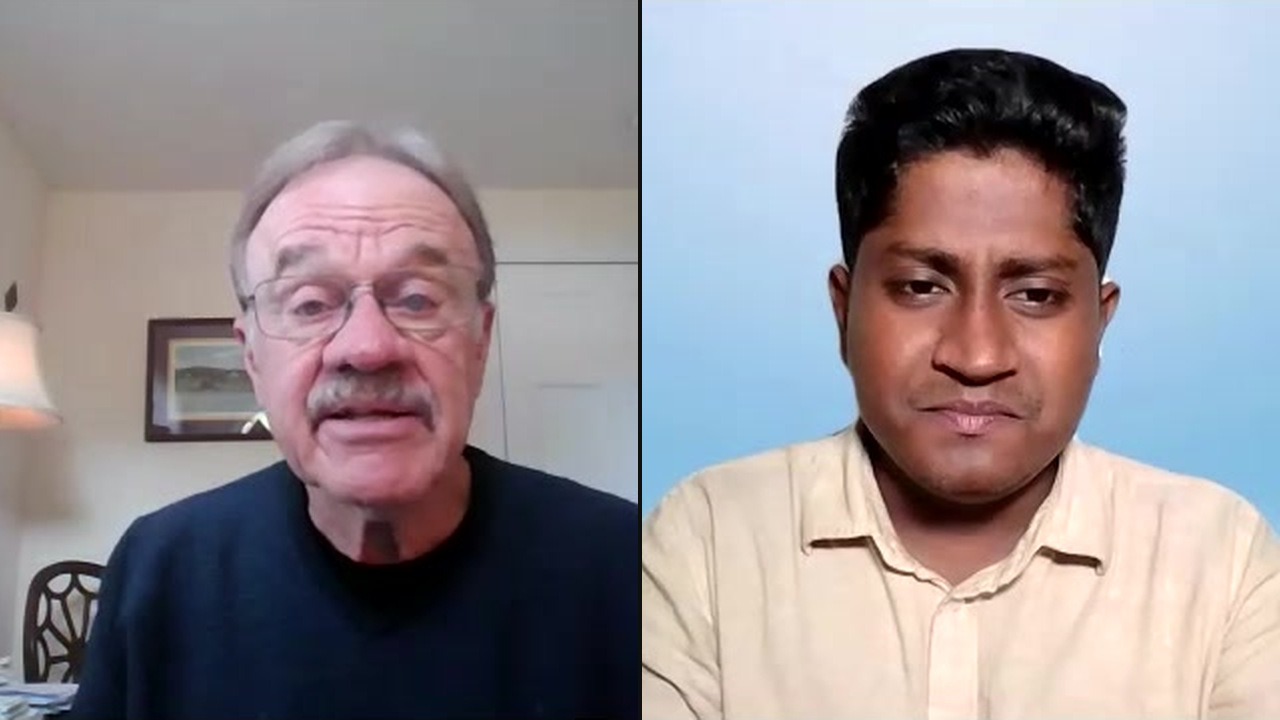
Against the backdrop of racism in South Asia, in Bangladesh and across different sectors of society, Susan Vize, UNESCO’s country representative in Bangladesh, speaks with Abu Sufian, a United Nations correspondent who conducted this interview. Their conversation on inclusion, education, misinformation and youth leadership is presented for readers.
Abu Sufian: How does UNESCO assess racial equality and social inclusion in Bangladesh, particularly for ethnic minorities and marginalised communities?
Susan Vize: We try to use data as much as we can so that we can be objective. Some of the data collected on these issues include the religious freedom index and the social hostilities index. Both point to issues in Bangladesh around ethnic minorities, religious freedoms and tensions between different groups.
The UN’s approach is to build bridges. We try to make sure that we are inclusive. When the UN holds a meeting, we invite people from minority groups, women, religious minorities and indigenous people. If we are working on education policy, we want all those voices to be heard in its development. It is very easy to leave people out.
One concrete example is our work on storytelling in minority languages. Under UNESCO’s International Decade of Indigenous Languages, we have been working with groups around the country to understand their priorities for sustaining their languages and cultures, and the barriers they face.
We have worked particularly with young people to collect and present community stories. We have stories in Chakma and Kokborok, the Tripura language, and have also presented them in Bangla and English. We want the average Bangladeshi to understand the perspectives of these communities.
A lot of racial tension comes from misunderstanding and fear of others — fear that they are bad or have motives that do not align with ours. When we talk to people about their priorities, we generally find that we have more in common. Bringing people together and ensuring that different voices can be heard is how we try to tackle racism.
Abu Sufian: Are you satisfied with Bangladesh’s initiatives?
Susan Vize: There are a lot of issues. The Ministry of Primary and Mass Education has been trying to integrate five languages into the curriculum. It has worked on textbooks, but has not been able to resolve how to deliver this in classrooms.
In Bangladesh, there is often a willingness to address an issue, but implementation does not proceed particularly well. It is not easy. How do you teach these five languages when the teacher speaks only Bangla? How do you do it in a classroom with Tripura, Chakma and Bengali students who speak different languages?
These are practical, difficult issues that need to be overcome. The ministry has been working towards this, but the education budget is small. How do you implement these things without the resources to specialise in these areas?
There has also been a lot of work on global citizenship education, which has been integrated into the curriculum. It is about understanding others and what we have in common. I am from Australia and you are from Bangladesh. We do not have to be enemies. What do we have in common that we could address?
Global citizenship education looks at how we use culture, science and other fields to understand one another better. World Heritage sites help us understand another culture. Bangladesh’s history is not just about Islam; it includes phases of Buddhism and Hinduism, and all the different things that make the country what it is today.
These are the tools we like to use against racism. They are about building a positive society rather than focusing only on negative things.
Abu Sufian: How do you evaluate racism in South Asia?
Susan Vize: The indices I mentioned point to serious problems in India, Pakistan and Bangladesh. This is a common problem, although its focus may differ. In India, it may involve a Hindu majority discriminating against a Muslim minority, while in Bangladesh or Pakistan it may involve a Muslim majority discriminating against a Hindu minority.
We really need to work on building bridges, particularly with religious communities. I would also bring gender-based violence into this discussion. A lot of hostility is directed at women, and this is common across South Asian countries.
These issues are interrelated. Women may account for half the population, but they do not have half the voice. If we think about marginalised groups and people without equal opportunities, women definitely come up.
If you are a woman from a religious or ethnic minority, or an indigenous woman, you face additional burdens. To address racial discrimination, we also need to work on gender equality.
Abu Sufian: What is your assessment of discrimination based on skin colour?
Susan Vize: There is a skin-colour issue across Asia, not just here. It is also present in East Asia, where white skin is preferred to dark skin. The strange thing is that people coming from other countries may think brown skin looks nicer. People in Australia want to look brown, while people in Bangladesh want to look white.
I have not seen as much racism based on skin colour in Bangladesh as in, say, East Asia. It is obviously here, as it is in every country, but I think religious and ethnic tensions are greater than skin-colour tensions.
Abu Sufian: Social media is widely used in South Asia, and racism is also spread through these platforms. What is your assessment?
Susan Vize: Misinformation has existed throughout human history. The digital era, particularly social media, makes it instant. It can move so rapidly that it becomes very difficult to control or address.
South Asia is very digitally connected. In Bangladesh, many people share phones. A family may sit together watching YouTube on one device, so statistics on individual connections may not fully reflect the number of people accessing social media.
We have a big misinformation problem. During the election, people monitoring misinformation saw claims that the election had been postponed until April. One example used real footage of Professor Yunus talking about an April election, but the footage was from a year or more earlier, when that was being discussed as a possible date.
It looked very real. This is one of the biggest issues, particularly now with the quality of artificial intelligence and what it can produce. The mixture of AI and reality makes it very difficult for people to decide what to believe.
One of the things we have been working on is media and information literacy. It means being able to analyse information, detect falsehoods and understand what is trustworthy. When you look at an image, is it real? Has it been generated? Can you trust it?
If you are media and information literate, sharing information and deciding what to respond to become safer. This applies to creators as well as audiences. Creators should also understand how their information could be misinterpreted.
We have been working with 14 universities in Bangladesh to create MILnetBD, the Media and Information Literacy Network Bangladesh. Faculty members and students are working to promote media and information literacy.
University students are particularly connected through social media. It is a major part of the lives of young people in Bangladesh. They need to understand how to protect themselves from misinformation and how to be responsible creators.
The network is organising an Olympiad for universities to put forward ideas on media and information literacy. We are also working with faculty members to develop training modules, adapted from global modules, for use in universities here.
The next stage we are looking at is developing something for the school curriculum, particularly for high school students. Children begin using these platforms very young. Media and information literacy needs to start before people reach university at 18 or 19.
Abu Sufian: How can UNESCO help young people turn the fight against racism from an annual observance into lasting social change?
Susan Vize: Bangladesh has more youth activism than I think I have seen in any country where I have worked. So many young people are passionate about causes, from climate change and mental health to peace, justice and security. We are in a good position because young people want to be part of the solutions.
We have been trying to see how youth voices can be better integrated into government decision-making. In most countries, youth activism happens in one space and government decision-making in another. We would like to connect the two. July 2024 showed that young people want to be heard.
The UN already has a youth advisory group. This year, we are asking its members to research key themes for building a sustainable future for Bangladesh. In recent years, we have tried research projects on mental health and climate change. As we move towards the new five-year UN cooperation framework for Bangladesh, we want young people’s voices reflected in it.
We are also trying to develop a Youth, Peace and Security strategy. This is a global initiative, but its agenda goes beyond issues such as child soldiers in wartime. There are security issues in Bangladesh too. The uprising was two years ago. We need to address the underlying issues, including racial discrimination, religious freedom and gender equality.
This work will be developed in partnership with young people. We hope it will feed into the national youth policy and strengthen the way the government interacts with youth. It is about making that conversation happen.
Just as we want minority voices in discussions, we want youth voices too. These are Bangladesh’s future leaders and decision-makers. If they become more accepting of people of different races, religions and economic backgrounds, and build initiatives that address the underlying problems, Bangladesh will be in a much better position. They can carry this understanding into government, the private sector and social initiatives.
Abu Sufian: Young people who led the July uprising have entered parliament. Can this help?
Susan Vize: I think it can. There is a global movement to elect young people, from local government to national parliaments, so that they can provide a youth voice.
It is also important that these young people learn more about governance and politics, because it is not easy. Moving from being a student or student leader into government is a very different experience. I think this is positive for Bangladesh in terms of building future leaders.
Photo: Susan Vize — Bay of Bengal Conversation / Centre for Governance Studies, official speaker profile. Design: Asian Echoes.