How Bangladesh’s Newly Elected Government Can Deepen Engagement with Southeast Asia

Abu Sufian
Diplomatic Editor
With a renewed democratic mandate, Bangladesh’s newly elected government has a strategic opportunity to recalibrate its foreign policy priorities. While traditional partners such as India, China, and Western economies will remain vital, deeper engagement with Southeast Asia—particularly Malaysia Indonesia, and Thailand—could significantly enhance Bangladesh’s economic resilience and geopolitical leverage.
As the Indo-Pacific gains prominence in global strategy, Bangladesh must move beyond passive regional participation and actively position itself as a bridge between South and Southeast Asia.
Why Southeast Asia Matters Now
Southeast Asia represents one of the world’s fastest-growing economic regions. The collective dynamism of ASEAN economies offers Bangladesh new export markets, diversified supply chains, technology transfer opportunities, and strategic partnerships. As Bangladesh prepares for LDC graduation, reducing overdependence on a narrow set of trading partners will be essential. Southeast Asia offers exactly that diversification.
But engagement must go beyond ceremonial diplomacy. It requires focused economic, labor, maritime, and strategic initiatives.
Malaysia: From Labor Ties to Strategic Partnership
Bangladesh and **Malaysia** already share a strong foundation built on labor migration. Hundreds of thousands of Bangladeshi workers contribute to Malaysia’s construction, manufacturing, and plantation sectors. However, the relationship remains heavily labor-centric.
The new government should:
1. Reform Labor Governance Diplomatically – Ensure transparent recruitment systems to prevent worker exploitation. A bilateral digital recruitment framework could eliminate middlemen corruption.
2. Expand into Skilled Migration – Move beyond low-skilled labor by negotiating pathways for IT professionals, healthcare workers, and engineers.
3. Boost Halal Industry Cooperation– Malaysia is a global leader in halal certification and Islamic finance. Bangladesh can learn from Malaysia’s regulatory models to expand its halal exports.
4. Increase Investment Flows – Malaysian firms can invest in Bangladesh’s special economic zones, particularly in palm oil refining, Islamic banking, and infrastructure.
Malaysia can evolve from a labor destination into a technology, finance, and investment partner—if Bangladesh approaches it strategically.
Indonesia: Maritime and Muslim-Majority Diplomacy
As the largest economy in Southeast Asia, Indonesia presents underutilized potential for Bangladesh. Both countries are Muslim-majority democracies with growing middle classes and expanding manufacturing sectors.
Key areas of cooperation include:
1. Maritime Collaboration
Indonesia is a maritime power with deep experience in blue economy management. Bangladesh, with its Bay of Bengal coastline, can benefit from Indonesian expertise in fisheries governance, port management, and coastal resilience.
Joint naval exercises and maritime research partnerships would also strengthen regional security cooperation in the Indo-Pacific framework.
2. Trade Diversification
Bilateral trade remains modest compared to potential. Bangladesh can export pharmaceuticals, ceramics, leather goods, and ready-made garments, while importing palm oil, coal, and machinery from Indonesia.
Negotiating a preferential trade agreement—either bilaterally or through ASEAN mechanisms—should be on the new government’s agenda.
3. Islamic Finance and Education
Indonesia’s expanding Islamic banking ecosystem and pesantren-based educational networks offer valuable lessons for Bangladesh’s socio-economic development model.
A Dhaka–Jakarta policy dialogue on inclusive growth could elevate the relationship beyond trade statistics.
Thailand: Gateway to ASEAN Connectivity
Geographically, Thailand is crucial. It sits at the heart of mainland Southeast Asia and plays a central role in regional connectivity projects.
Bangladesh should prioritize:
1. BIMSTEC Revitalization
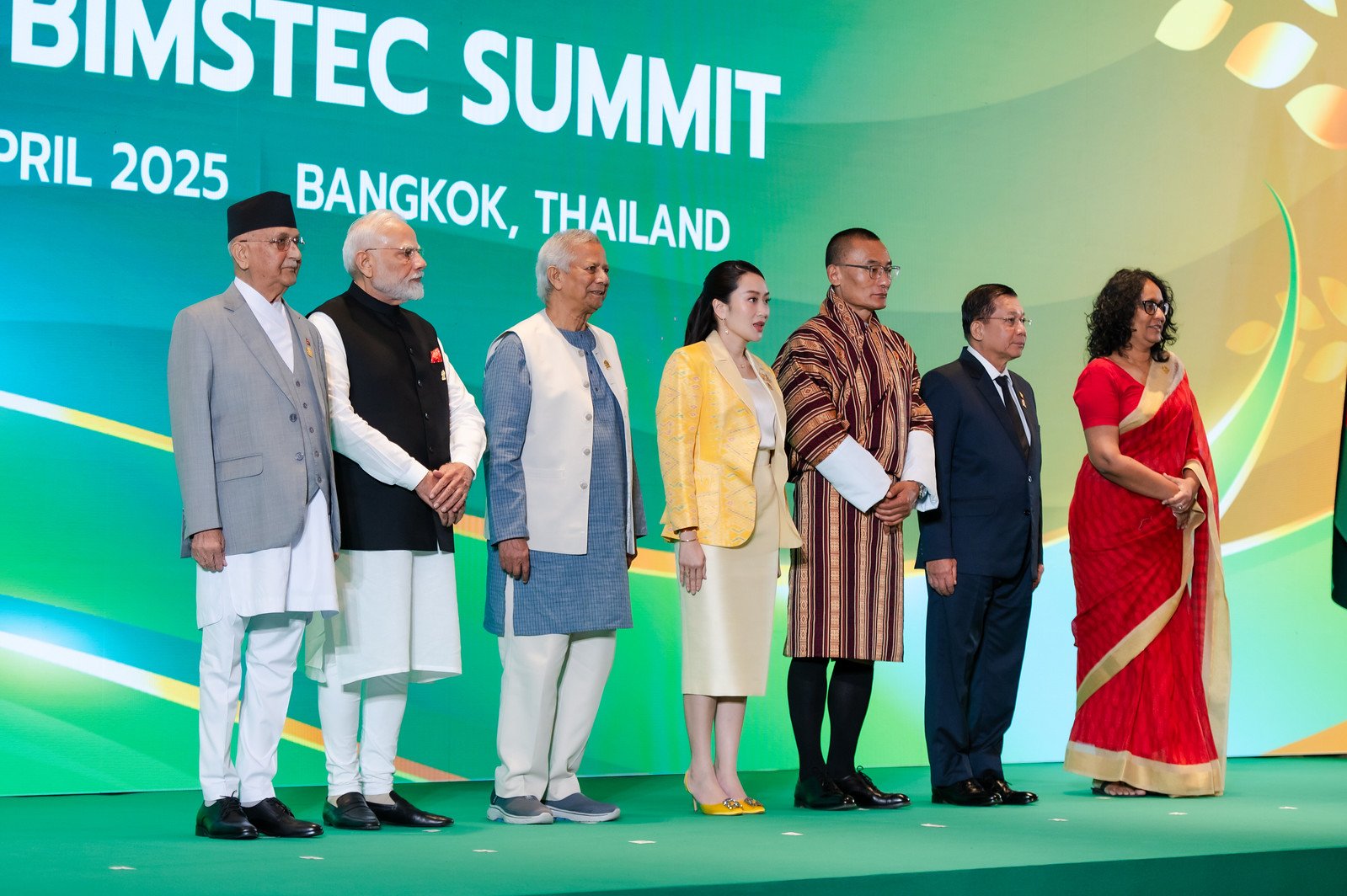
Thailand and Bangladesh are both key members of BIMSTEC. The new government should push for tangible outcomes—transport corridors, energy grids, and digital trade agreements—rather than rhetorical declarations.
2. Tourism and Medical Services
Thailand’s world-class medical tourism industry presents partnership opportunities. Bangladesh could negotiate patient mobility frameworks and encourage Thai hospital groups to invest in Dhaka and Chattogram.
3. Agro-Processing and Food Security
Thailand’s advanced agro-processing technologies could significantly benefit Bangladesh’s food export ambitions.
If Bangladesh positions itself as a logistics and manufacturing hub linked to Thailand through Bay of Bengal connectivity, it could integrate more effectively into ASEAN supply chains.
Strategic Balancing in the Indo-Pacific
Closer engagement with Southeast Asia is not about choosing sides between global powers. Rather, it is about strategic diversification. ASEAN countries are adept at balancing relations with the United States, China, and regional actors. Bangladesh can learn from this pragmatic diplomacy.
The new government should:
• Strengthen its observer and dialogue partnerships with ASEAN.
• Increase high-level visits and economic diplomacy missions.
• Encourage private-sector–led regional chambers of commerce.
• Promote academic and youth exchange programs.
Soft power, trade diplomacy, and infrastructure connectivity should move in parallel.
The Road Ahead
Bangladesh stands at an inflection point. LDC graduation, global supply chain shifts, and Indo-Pacific competition demand a more outward-looking foreign policy.
Malaysia offers labor and financial integration.
Indonesia offers maritime and demographic scale.
Thailand offers connectivity and technological partnership.
The question is not whether Bangladesh should engage Southeast Asia—but whether it can afford not to.
If the newly elected government adopts a bold, structured, and economically driven Southeast Asia strategy, Bangladesh could transform from a peripheral South Asian economy into a meaningful Indo-Pacific connector.
The oppor
tunity is there. It now requires political will, bureaucratic coordination, and a clear regional vision.